

Did you know: How Eclipse Award champions are decided
Jan 22, 2026
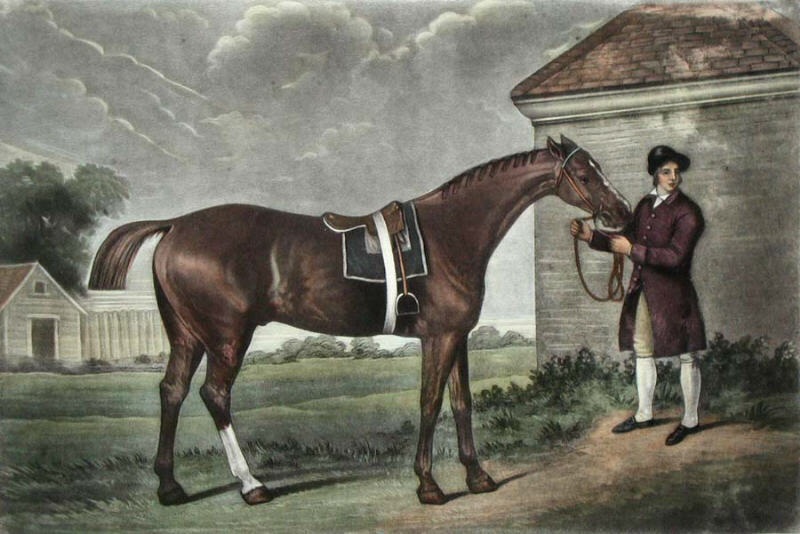
The great 18th-century racehorse and foundation sire Eclipse, as portrayed by George Stubbs (Wikimedia Commons)
Reigning Kentucky Derby (G1) winner Sovereignty was named Horse of the Year and champion three-year-old male at Thursday night’s Eclipse Awards gala at The Breakers in Palm Beach, Fla.
Sovereignty is a homebred for Godolphin, which was voted outstanding owner and breeder, and his trainer, Bill Mott, was honored as champion in his category.
Japan’s Forever Young, the near-miss third in the 2024 Kentucky Derby, took the older dirt male award on the strength of his win in the 2025 Breeders’ Cup Classic (G1).
Thorpedo Anna, the 2024 Horse of the Year and Kentucky Oaks (G1) heroine, added another Eclipse Award to her resume as the champion older dirt female of 2025.
The Breeders’ Cup winners on the Road to the 2026 Kentucky Derby and Oaks, Ted Noffey and Super Corredora, took home trophies in their respective divisions. Unbeaten Ted Noffey, the early Derby favorite, was the runaway choice for champion two-year-old male, and Oaks contender Super Corredora ranks as the champion two-year-old filly.
What are the Eclipse Awards?
Often called Thoroughbred racing’s version of the Oscars, the Eclipse Awards honor champions in various categories, both human and equine, for outstanding performances each year.
To be eligible for an Eclipse Award, horses must have raced at least once in the United States or Canada in that calendar year. The same applies to the human categories: an owner, breeder, trainer, jockey, and apprentice jockey must have competed in at least one race in the United States or Canada that year.
The awards for horses span 11 different divisions, based on age, gender, or specialty, plus the top honor of Horse of the Year. There are separate awards for males and females in the two-year-old, three-year-old, turf, sprinter, and older dirt performer divisions. The award for champion steeplechaser (horses that race over jumps) could go to either a male or a female.
Who decides the Eclipse Award winners?
The champions are decided by three voting blocs – the National Thoroughbred Racing Association, Daily Racing Form, and the National Turf Writers and Broadcasters – whose ballots are consolidated in the tabulation. The total number of eligible voters is 240.
Each voter casts a ballot ranking the first, second, and third choices in each category. Only the first-place votes count toward determining the champions. The second- and third-choice votes help to round out the finalists, who are announced in advance of the awards gala.
Although some honorees are overwhelmingly obvious in advance, like Sovereignty and Ted Noffey, others are more contentious. That creates suspense on awards night as the envelopes are opened and the champions are revealed!
Congratulations to 2025 Horse of the Year, Sovereignty!
Trainer: Bill Mott
Breeder: Godolphin
Owner: Godolphin
Jockey: Junior Alvarado pic.twitter.com/5d63LB06Ka— NTRA (@NTRA) January 23, 2026
When did the Eclipse Awards start?
As the saying goes, horse racing is a game of opinions. Those opinions extend beyond a particular race into debates about who deserves a championship title.
The Eclipse Awards were established in 1971 precisely to provide an official consensus on the annual champions. The previous system, dating back to 1936, involved polls of three industry entities that occasionally disagreed about the divisional champions, or even about Horse of the Year.
There are also Eclipses in several media categories, with the winners determined by a panel of judges. The Eclipse for Horseplayer of the Year automatically goes to the winner of the National Horseplayers Championship. Some years, a Special Award or Award of Merit is presented to a person in recognition of longstanding service to racing.
Why are they named the Eclipse Awards?
The awards are named after Eclipse, the embodiment of equine excellence from the early history of the Thoroughbred in Great Britain. Moreover, they’re statuettes modeled upon him.
Foaled on the day of a celebrated eclipse of the sun on April 1, 1764, Eclipse was bred by the Duke of Cumberland, who was responsible for another great foundation sire, Herod.
The Duke of Cumberland was a member of the royal family. A son of King George II, he was the uncle of King George III, who triggered the colonists during the American Revolution. But the Duke of Cumberland was controversial in his own right. Military history buffs remember him as the “Butcher of Culloden,” for his role in brutally suppressing the Jacobite rebellion led by Bonnie Prince Charlie in 1746.
Eclipse was sold as a yearling following the Duke’s death. He ultimately came into the possession of a colorful character, Dennis O’Kelly.
O’Kelly coined the famous phrase, “Eclipse first, the rest nowhere!” as he placed his bet. Eclipse lived up to billing.
Eclipse -- Undefeated 18th Century British Racehorse Who Won 18 Races Including 11 King's Plates pic.twitter.com/Ea2FxMjrtA
— History of Horse Racing (@horsevault) January 7, 2025
Dominating all 18 starts, Eclipse left his rivals in the shade on the racecourse. But his greatest legacy remains as a sire, propagating bloodlines that suffuse the entire breed.
The Eclipse sire line – the direct male line passed on in a continuous father-to-son series down the ages – has completely overwhelmed the dwindling male lines of fellow foundation sires Herod and Matchem. Even the small number of Thoroughbreds who don’t trace to Eclipse in the tail-male line are deeply indebted to him as an ancestor throughout the rest of their pedigrees.
The Eclipse Awards, therefore, pay homage to the breed’s history even as they honor today’s champions, who in turn become part of the historic fabric of the sport.
FOLLOW FOR UPDATES AND EXCLUSIVES
Missed something? Catch up on past Kentucky Derby news
Book Your Premium Experience
For Premium tickets, give us a call at 5026364447
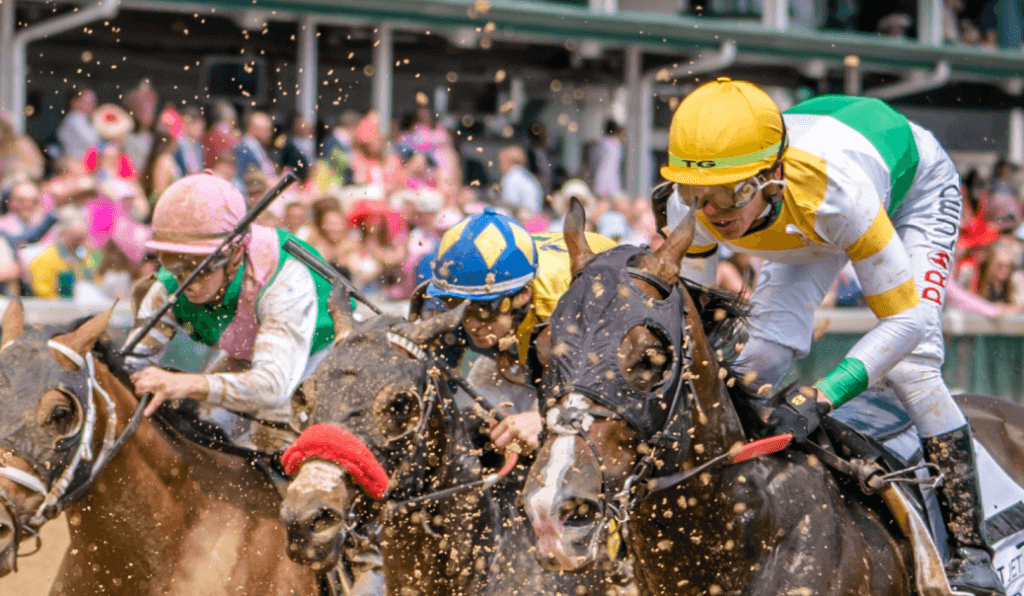
Calling All Derby Enthusiasts to Post
The Road to the 152nd Kentucky Derby is underway! Submit your email and receive newsletters for all things Kentucky Derby directly to your inbox.
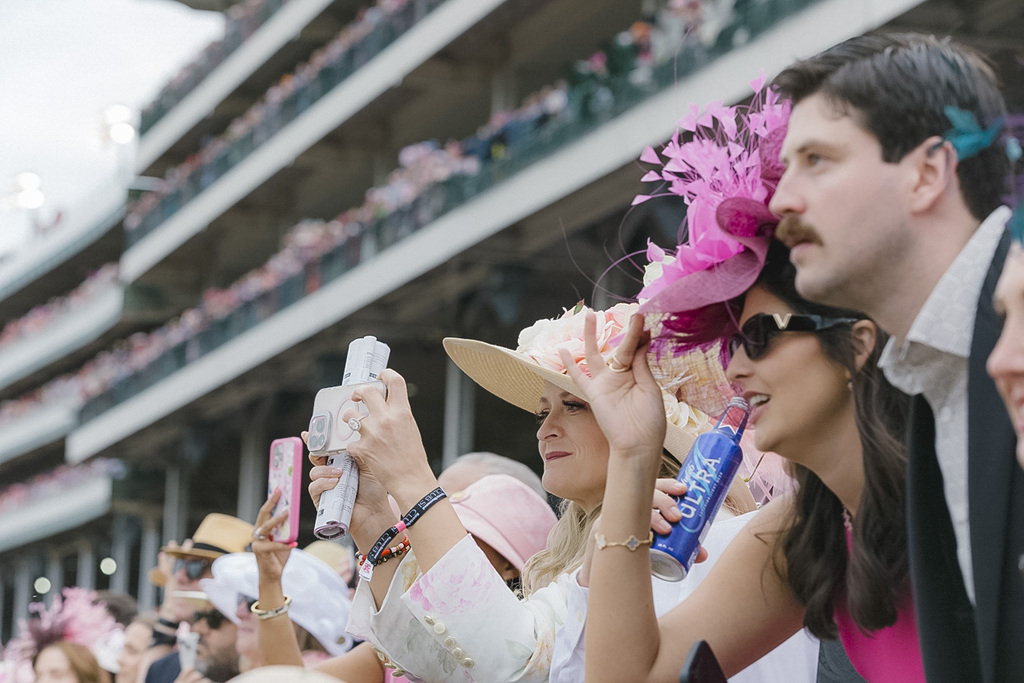
This Is Your Moment
The fashion. The roar. The roses. Only select ticket options remain for Kentucky Derby 152. Be part of the story. Buy today or connect with our sales team for premium options and personalized service.
Get in Touch with the Kentucky Derby Team
Contact us via email or phone
Email: sales@kyderby.com | Phone: (502) 636-4447
All 2-day ticket packages are currently available for purchase. By filling out this form, a member of our team will reach out to help you decide which section is best for you and help you complete your purchase