

How to Host the Kentucky Derby at Home
Apr 07, 2026
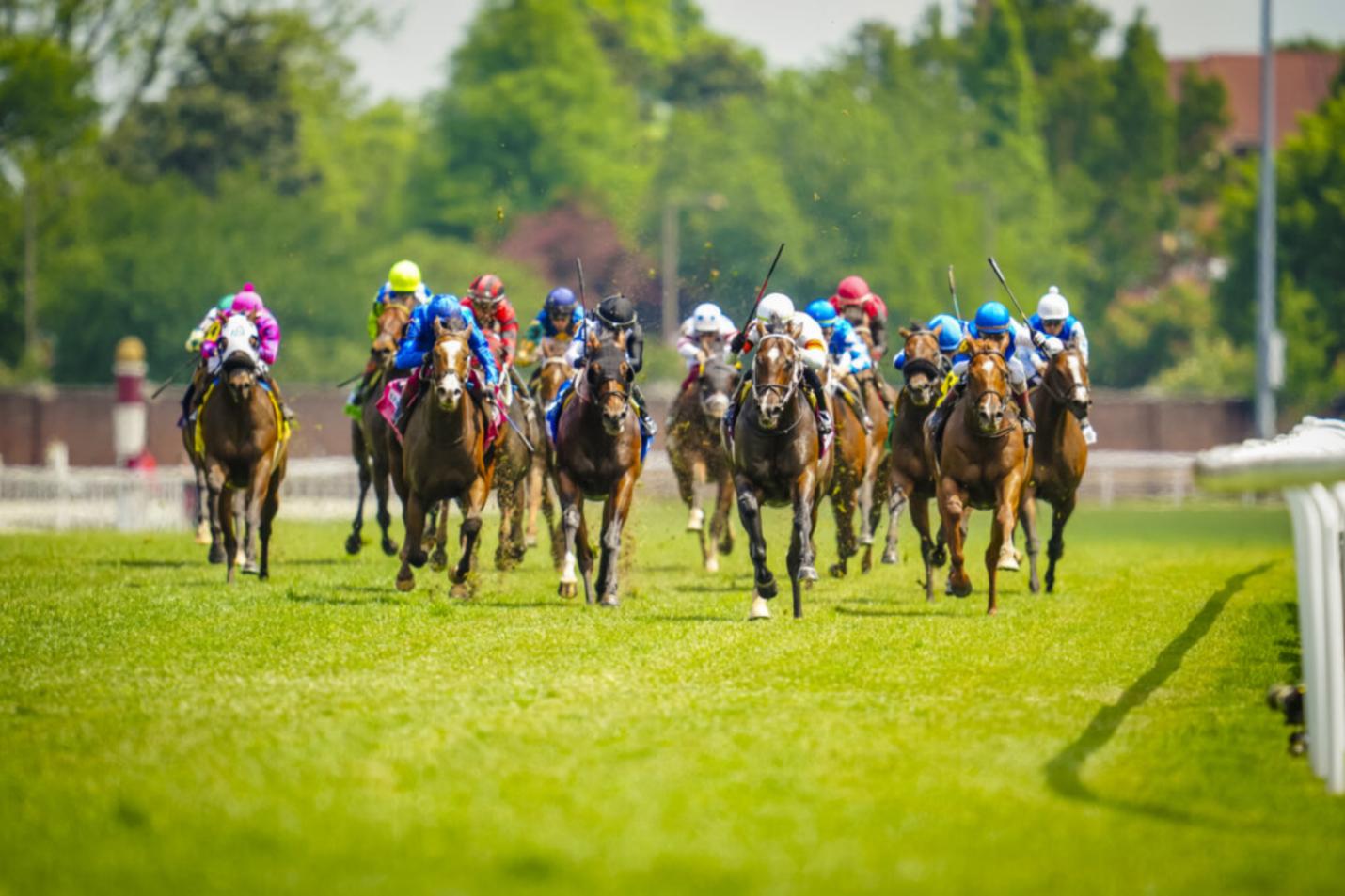
A Southern Story of Tradition, Celebration, and Legacy
There are events, and then there are traditions that become part of the rhythm of your life. The Kentucky Derby is one of those.
Held each spring at Churchill Downs since 1875, it is the longest continuously run sporting event in the United States. But longevity alone does not explain its hold. Plenty of things last. Very few matter the way this does.
The Derby was never designed to be just a race. From the beginning, it was built as an experience, modeled after the great European racing traditions where sport and spectacle were inseparable. It was meant to gather people, to give them something to anticipate, something to prepare for, something to arrive for fully.
And for generations, that is exactly what it has done.
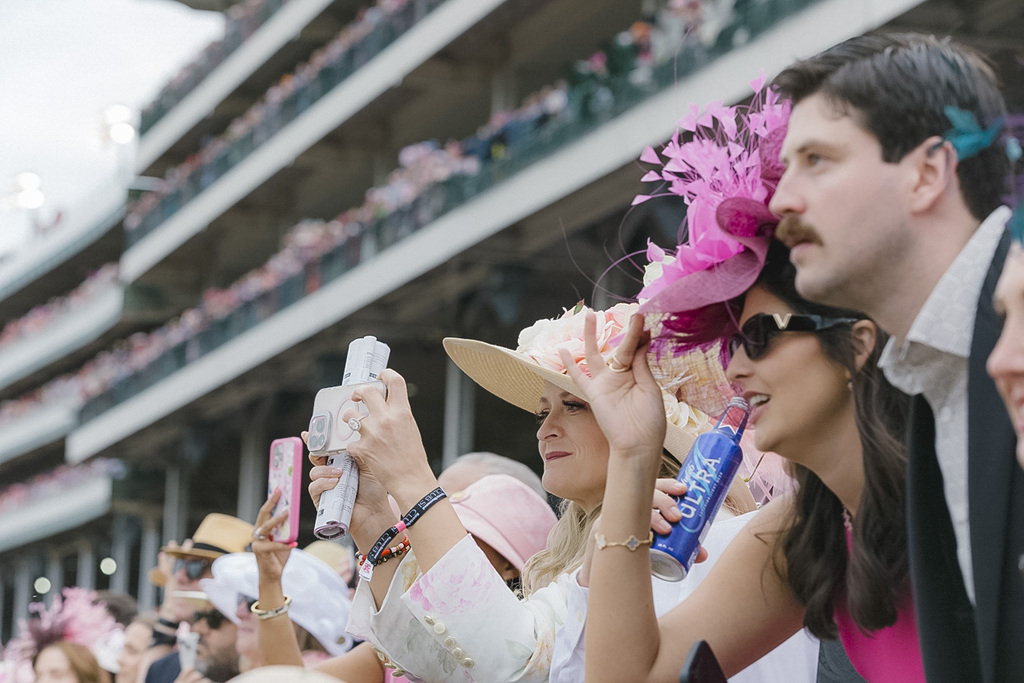
If you have ever been to Churchill Downs on Derby Day, you understand that the race is only part of it. The gates open early, but the energy arrives earlier. By morning, the grounds are already alive. Silk and linen move through the crowd. Hats rise above everything like sculpture. Conversations overlap, glasses clink, and somewhere in the distance, the track holds steady, waiting.
The races build throughout the day, each one tightening the atmosphere just slightly more than the last. By the time the Derby approaches, the crowd is no longer scattered. It is unified. Strangers lean into the same moment, watching, waiting.
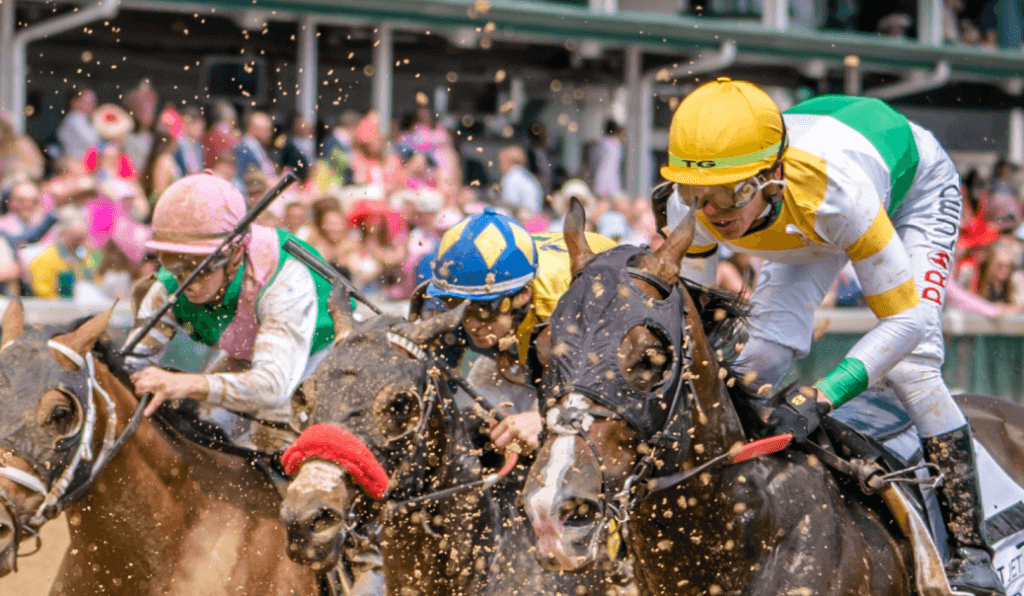
And then it happens. The call to the post. The stillness before the gates open. The release.
Two minutes. That is all it takes, and somehow, it is enough. Because it was never just about the two minutes. It is about everything that surrounds them.
What It Means in the South
In the South, the Derby is not something we observe from a distance. It is something we participate in, whether we are in Louisville or not.
We plan for it. We dress for it. We gather for it.
There is an understanding here that certain occasions deserve more from us. Not for show, but because effort is a form of respect. For the tradition. For the people around the table. For the moment itself.
We still believe in setting a table properly. In chilled glassware and polished silver. In flowers that were chosen, not grabbed. In dressing for something that matters.
And the Derby gives us a reason.
It invites color, personality, boldness. It allows for individuality while honoring tradition. The higher the hat, the closer to heaven. No one questions it, and no one should.
Roses are not optional. They are history made visible. The Derby has long been called The Run for the Roses, a nod to the blanket of more than 500 red roses draped over the winning horse. That detail alone tells you everything about the event.
Even victory is dressed properly.
And so are we.
Why We Bring It Home
Not everyone can make it to Churchill Downs. But the Derby was never meant to belong to one place alone.
It travels. It lives wherever people decide it matters.
Hosting the Derby at home is not about replication. It is about interpretation. It is about understanding the elements that define it. Roses. Juleps. Silver. A table that feels full. And shaping them into something that reflects you.
Because the best gatherings are not the ones that follow every rule perfectly. They are the ones that understand why the rules exist, and know exactly when to make them their own.
I grew up in Virginia, where horse country is not something you visit but something you inherit. Just miles from where I live is where Secretariat first stood before becoming legend, before winning the Triple Crown in a way that still feels impossible.
When you grow up near that kind of history, the Derby does not feel like an event. It feels like a continuation. Something that carries forward whether you are standing at the track or gathered around a table miles away.
And that is where hosting begins.
Not in Louisville.
At your table.
Setting the Scene
A Derby table should feel layered, not staged.
Start with something that has presence. A patterned linen, something with movement and history in it. Not something that arrived yesterday, but something that looks like it has been used, washed, folded, and brought back out again. The kind of cloth that softens over time and remembers the tables it has already seen.
Florals are not too much. This is not the day for restraint.
Red roses, always, but not just roses. Hydrangeas soften them. Greenery gives them shape. A few stems that reach, a few that fall. Arrangements should feel full, slightly undone, like they were gathered with intention but never forced into place. Like someone stepped outside, clipped what was blooming, and brought it in without overthinking it.
It should feel collected.
Old silver beside newer pieces. A tray that has weight to it next to glassware that catches the light just a little differently. Nothing has to match, but everything should belong. The table should feel like it came together over time, not all at once.
Silver matters. Not because it shines, but because it reflects. Candlelight, glassware, color, movement. It brings life to the table in a way nothing else does.
Use trays. Not as decoration, but as anchors. A place for drinks to gather. For glasses to catch light. For guests to reach toward without asking. A good tray makes the table feel settled, like everything has somewhere to land.
Layer in what feels natural. Linen napkins that do not hold a perfect fold. Glassware that feels substantial in the hand. A mix of heights so nothing feels flat.
Nothing should feel precious, and nothing should feel empty.
Because the goal is not to create something perfect.
It is to create something people want to sit down to and stay.
The Bar: Where the Party Begins
The Derby does not start at the table. It starts at the bar.
Not because it is the most important piece, but because it is the first signal of what kind of gathering this will be. A good bar tells your guests, without saying a word, that they are meant to stay awhile.
A proper setup is not complicated, but it is intentional. Everything should be visible. Nothing hidden away. Bottles grouped with care. Garnishes within reach. Ice ready before the first guest arrives, not after.
This is not about having more. It is about choosing well.
The Mint Julep is tradition. The Oaks Lily is celebration. And both should be made well. Measured properly. Served cold enough to matter. Garnished like someone took the extra minute.
But what elevates a Derby bar is not just the drinks. It is the experience around them.
A selection of syrups such as classic mint, blackberry, or a soft peach gives guests room to make the drink their own. Bowls of citrus. Fresh herbs. Crushed ice that feels like snow, not cubes. A glass that feels good in the hand.
It should feel approachable, not intimidating. Beautiful, but not untouchable.
And if you do not have silver passed down through generations, that is not the point. Some of the best pieces are the ones you find along the way. A well-loved tray from an antique store. A set of cups that feel like they belong even if they did not start with you.
Because the Derby has never been about what you have. It is about how you use it. A well-set bar does not just serve drinks. It sets the tone for everything that follows.
Mint Julep (Classic + Build-Your-Own Bar)
Serves 1
Ingredients
- 2 ounces Kentucky bourbon
- ½ to 1 ounce mint simple syrup (recipe below)
- 8 to 10 fresh mint leaves, plus more for garnish
- Crushed ice
1. Place mint leaves and simple syrup in a julep cup. Press gently to release the oils without tearing the leaves.
2. Fill the cup completely with crushed ice.
3. Pour bourbon over the ice.
4. Stir until the outside of the cup frosts.
5. Top with additional crushed ice and garnish with a fresh mint sprig.
Mint Simple Syrup
Makes about 1 cup
Ingredients:
- 1 cup water
- 1 cup granulated sugar
- 1 cup packed fresh mint leaves
1. Combine water and sugar in a saucepan over medium heat.
2. Stir until sugar is completely dissolved, then remove from heat.
3. Add mint leaves and let steep for at least 1 hour.
4. Strain and refrigerate until chilled.
Julep Bar Additions
Peach syrup, blackberry syrup, honey syrup, fresh peaches, blackberries, lemon twists, candied ginger.
Not everyone reaches for a Mint Julep.
Some prefer something brighter. Lighter. A little more celebratory than traditional. That is where the Lily comes in.
Originally served at the Kentucky Oaks, the race held the day before the Derby, the Oaks Lily has become the natural counterpart to the julep. Where the julep leans deep and familiar, the Lily opens things up. Fruit, citrus, and just enough spirit to hold its place in the afternoon. It is a drink made for daylight.
Served cold, often over crushed ice, it brings color to the table in a way that feels effortless. Tart, slightly sweet, and easy to return to, it moves through a gathering differently. Guests linger. Glasses refill. The pace softens just enough to stretch the moment.
At home, it becomes an opportunity. A place to step just slightly outside tradition while still respecting it. A splash of blackberry. A twist of lemon. A lighter hand with the sweetness. Small adjustments that make it feel personal without losing its roots.
Set it alongside the juleps, not in place of them. Because a well-set Derby bar does not limit the experience.
It expands it.
Oaks Lily Cocktail
Serves 1
Ingredients:
- 1½ ounces vodka
- ½ ounce triple sec
- 3 ounces cranberry juice
- ½ ounce fresh lemon juice
- ½ ounce simple syrup
- Crushed ice
- 3 fresh blackberries
- 1 lemon wedge
1. Fill a glass with crushed ice.
2. Add vodka, triple sec, cranberry juice, lemon juice, and simple syrup.
3. Stir gently to combine.
4. Garnish with blackberries and a lemon wedge.
The Food: Familiar, Elevated
A proper Kentucky Derby menu is not built at random. It follows a rhythm, much like the day itself. Something cool, something rich, something passed, something poured, and at least one dish that makes the room go quiet when it arrives.
The food at Churchill Downs has always reflected the region it belongs to. It is Southern, yes, but more specifically, it is Kentucky Southern. Seasonal, thoughtful, and often touched with bourbon when it makes sense, not for show. The classics endure for a reason. They are not trends. They are fixtures.
A Derby table begins with what can be shared easily. Pimento cheese is not optional. It should be sharp, slightly tangy, and spread thick without apology. Benedictine follows, softer in tone, cool from the cucumber, almost delicate against the richness around it. Deviled eggs belong here too, but they should be done properly. Bright, structured, with just enough seasoning to hold their own. When you fold in crab, they stop being expected and become something worth noticing.
Shrimp, served chilled and marinated, is part of that same opening movement. It should feel clean and composed, something guests can reach for without interrupting conversation. These are the dishes that circulate. They set the tone without demanding attention.
And then you bring in something warm.
At Churchill Downs, that might be burgoo, a slow-cooked stew with deep roots in Kentucky tradition. At home, you have the freedom to interpret. A bourbon butternut squash and apple bisque, served in small cups, does something similar but with a lighter hand. It warms the table without weighing it down. It gives people a reason to pause.
The Kentucky Hot Brown is the anchor. It is the dish that reminds everyone where they are, even if they are miles from Louisville. Open faced, rich with turkey and Mornay, finished under heat until it bubbles and browns, it is not subtle and it is not meant to be. When served in individual skillets, it becomes something else entirely. Personal, indulgent, and impossible to ignore.
And then, because the Derby never ends on restraint, there is dessert.
Chocolate, pecans, and bourbon come together in what has become known as Derby pie. It is sweet, yes, but also textured and just structured enough to hold its place at the table. It is the kind of dessert that does not need explanation. It disappears quickly.
This is not a menu meant to impress in the traditional sense.
It is meant to hold people in place. To give them something to return to between races, between conversations, between sips. Because the best Derby tables are not the ones that look full. They are the ones people do not walk away from.
Bourbon Butternut Squash & Apple Bisque
Serves 6
Ingredients:
- 4 tablespoons butter
- 1 tablespoon olive oil
- 1 large yellow onion, diced
- 5 cups peeled and cubed butternut squash
- 2 apples, peeled and chopped
- 3 cloves garlic, minced
- 1 teaspoon kosher salt
- ½ teaspoon ground nutmeg
- Black pepper, to taste
- 4 cups broth
- ¼ cup bourbon plus 2 tablespoons
- ½ cup heavy cream
1. Cook onion in butter and oil until softened.
2. Add squash, apples, garlic, and seasoning.
3. Add broth and bourbon. Simmer until tender.
4. Blend until smooth.
5. Stir in cream and remaining bourbon.
6. Serve warm in small cups.
Mini Skillet Kentucky Hot Browns
Serves 4
Ingredients:
- 4 slices thick-cut bread
- 2 cups roasted turkey
- 4 tomato slices
- 4 bacon slices
Sauce:
- 4 tablespoons butter
- ¼ cup flour
- 2 cups milk
- 1 cup Parmesan
- Salt, pepper, nutmeg
1. Make sauce by whisking butter, flour, and milk until thick. Add cheese and seasoning.
2. Layer bread, turkey, and tomato in skillets.
3. Pour sauce over top.
4. Add bacon.
5. Broil until bubbling and golden.
Crab Deviled Eggs
Serves 6
Ingredients
- 6 eggs
- ⅓ cup Duke’s mayonnaise
- 1 teaspoon Dijon
- 1 teaspoon lemon juice
- ¼ teaspoon turmeric
- ½ cup lump crab
- Chives
1. Boil eggs and cool.
2. Mash yolks with remaining ingredients.
3. Fold in crab.
4. Fill egg whites and garnish.
Benedictine Spread (With Crackers & Crudité)
Serves 6
Ingredients
- 8 oz cream cheese
- ½ cup cucumber
- 2 tablespoons onion
- 2 tablespoons Duke’s
- 1 tablespoon lemon
- Fresh chives for garnish
1. Mix until smooth.
2. Chill and serve with assorted vegetables and crackers.
Pickled Shrimp (Mason Jar Style)
Serves 6–8
Ingredients
- 1½ pounds large shrimp (16–20 count), peeled and deveined, tails on
- 1 tablespoon kosher salt
- 1 lemon, halved
- ¾ cup champagne vinegar (or white wine vinegar)
- ¼ cup fresh lemon juice
- ⅓ cup good olive oil (not heavy—just enough to soften the acid)
- 1 small red onion, very thinly sliced
- 1 lemon, thinly sliced into rounds
- 3 cloves garlic, lightly smashed
- 2 teaspoons kosher salt
- 1½ teaspoons sugar
- 1 teaspoon whole black peppercorns
- ½ teaspoon celery seed
- ½ teaspoon mustard seeds
- ½ teaspoon crushed red pepper flakes (adjust to taste)
- 2 bay leaves
- 4–5 sprigs fresh dill
- 2–3 sprigs fresh thyme
- Optional but highly recommended for depth:
- 1 tablespoon capers + 1 tablespoon brine
1. Bring a large pot of water to a boil with the salt and squeezed lemon halves.
Add shrimp and cook just until pink and barely firm, about 2 minutes.
2. Drain immediately and spread on a sheet pan to cool. Do not overcook or they will toughen in the marinade.
3. To make the marinade: In a large bowl, whisk together vinegar, lemon juice, olive oil, salt, and sugar until dissolved.
4. Add onion, lemon slices, garlic, spices, herbs, and capers.
5. Add cooled shrimp and toss gently to coat.
6. Layer shrimp, onions, and lemon slices into a large mason jar or divide into smaller jars.
Pour marinade over the top, making sure everything is submerged. Refrigerate at least 12 hours, preferably 24 hours. Gently rotate or turn the jar once or twice while marinating so everything distributes evenly.
7. Serve straight from the jar or spoon into small mason jars for individual portions Always include some of the onions + lemon in each serving Finish with: extra fresh dill, a drizzle of good olive oil, and a pinch of flaky salt. Serve cold.
Mini Pimento Cheese & Tomato Pies
Serves 10 to 12
Ingredients
Crust
- 2 refrigerated pie crusts (or homemade equivalent)
- 1 tablespoon all-purpose flour, for rolling
Filling
- 1½ cups sharp cheddar cheese, freshly grated
- ½ cup Duke’s mayonnaise
- 4 ounces jarred pimentos, drained and finely chopped
- 1 teaspoon Worcestershire sauce
- ½ teaspoon garlic powder
- ½ teaspoon onion powder
- ¼ teaspoon cayenne pepper (optional)
- ½ teaspoon kosher salt
- ¼ teaspoon freshly ground black pepper
Topping
- 1 cup cherry tomatoes, sliced into thin rounds
- ¼ teaspoon kosher salt
- 2 tablespoons finely chopped fresh chives or parsley
1. To prepare the crusts: Preheat oven to 375°F. Lightly flour a work surface and roll out pie dough slightly to smooth.
2. Using a 3-inch round cutter, cut circles and press them gently into a mini muffin or tart pan.
3. Prick the bottoms lightly with a fork and chill for 10 minutes to prevent shrinking.
4. To make the filling: In a medium bowl, combine grated cheddar, Duke’s mayonnaise, pimentos, Worcestershire sauce, garlic powder, onion powder, cayenne, salt, and pepper.
5. Stir until fully combined and creamy, but still textured.
6. To assemble the pies: Spoon about 1 tablespoon of filling into each crust.
7. Top each with a slice of tomato and lightly sprinkle with salt.
8. Bake for 20 to 25 minutes, until the crust is golden and the filling is bubbling around the edges.
9. Remove from oven and let cool slightly in the pan for 5 minutes.
10. Garnish with chopped chives or parsley before serving.
When the Race Begins
At some point, the room shifts without anyone announcing it. Conversations soften, glasses are set down mid-sentence, and people turn almost instinctively toward the same place. It happens in living rooms, on porches, in backyards strung with late afternoon light. It happens in cities and small towns and everywhere in between.
For all its pageantry, the Kentucky Derby still comes down to a shared moment.
More than sixteen million people tuned in last year. Not for statistics or standings, not for odds or predictions, but for the feeling of being part of something that asks for presence. For attention. For participation.
Two minutes. That is all the race takes.
Still, year after year, people gather as if it carries far more weight than that.
It does.
Why We Keep Coming Back
The Derby endures because it offers something increasingly rare. A reason to pause. A reason to prepare. A reason to arrive fully.
It asks more of us in the best way. Dress for it. Set the table. Invite people in. Make something of the moment.
In return, it gives something back that cannot be replicated any other way.
Anticipation. Energy. Connection.
Tradition is not defined by where it began. It is defined by whether it continues.
What started in Kentucky has long since moved beyond it. It lives across state lines, across generations, across tables that look nothing alike yet feel entirely familiar.
The Derby belongs to anyone willing to gather.
The Invitation
A grandstand seat is not required. A perfect table is not required. Precision is not required.
A reason is.
The Derby provides one.
It allows for more. More color, more personality, more presence. A reason to set the table with intention and open the door without hesitation.
On this day, there is always room.
The higher the hat, the closer to heaven. No one questions it.
Final
It may begin with a race, but it endures because of what surrounds it.
The laughter before the broadcast. The clink of ice against glass. The way a room full of people leans into the same moment at once.
This is the South at its most generous. Its most expressive. Its most alive.
Not a place. A way of gathering.
That is why it never stays contained. That is why it spreads. That is why it returns, year after year, filling tables far beyond Kentucky with people who understand exactly what the day asks of them.
Show up. Set the table. Invite them in.
On Derby Day, everyone is welcome. Everyone has a place.
For those two minutes, and everything wrapped around them, you are not just watching.
You are part of it.
The Super Bowl of the South. Where the win belongs to everyone at the table.
FOLLOW FOR UPDATES AND EXCLUSIVES
Missed something? Catch up on past Kentucky Derby news
Book Your Premium Experience
For Premium tickets, give us a call at 5026364447
Calling All Derby Enthusiasts to Post
The Road to the 152nd Kentucky Derby is underway! Submit your email and receive newsletters for all things Kentucky Derby directly to your inbox.
This Is Your Moment
The fashion. The roar. The roses. Only select ticket options remain for Kentucky Derby 152. Be part of the story. Buy today or connect with our sales team for premium options and personalized service.
Get in Touch with the Kentucky Derby Team
Contact us via email or phone
Email: sales@kyderby.com | Phone: (502) 636-4447
All 2-day ticket packages are currently available for purchase. By filling out this form, a member of our team will reach out to help you decide which section is best for you and help you complete your purchase