Kentucky Derby Lucky Loser – Roman Brother (1964)
May 22, 2026
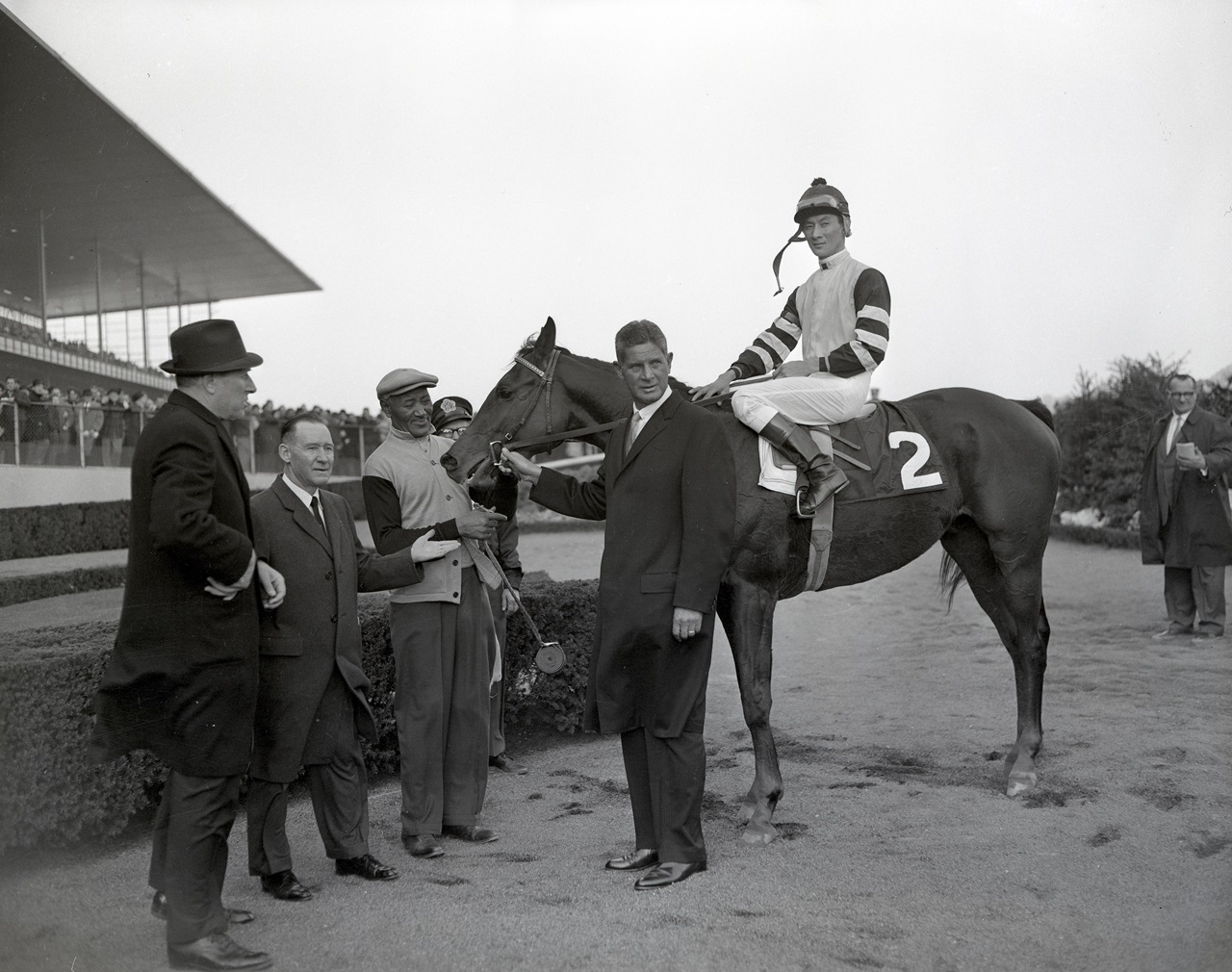
Roman Brother after capturing the 1965 Jockey Club Gold Cup (Photo by Coglianese Photos)
Affectionately dubbed the “Mighty Mite” by fans of his era, Roman Brother proved that greatness cannot be measured by physical stature alone. Though he spent his early career running in the shadows of legendary contemporaries like Northern Dancer and Kelso, the gritty gelding consistently held his own at the highest levels of the sport. His relentless determination turned a loss under the Twin Spires at three into a spectacular four-year-old campaign in 1965. By the end of that remarkable season, his triumphs earned him the title of champion, securing his transition from lucky loser to one of the most resilient champions of racing's golden age.
Petite But Potent
The cerise, black, and white colors of Harbor View Farm were well known long before an elegant chestnut colt named Affirmed powered through the closest finishes any of the 13 had to face to take his Triple Crown. Louis Wolfson had parlayed his father’s scrap metal business into an empire, with stress becoming his constant companion throughout; in his 40s, a physician recommended the financier consider finding a diversion to help him reduce the mental strain of his job, and, like many men before him, Wolfson turned to horse racing. His Raise a Native, who would later not only be Affirmed’s grandsire but also the sire of Alydar, had his career cut short by injury, and the Florida native needed another good horse to head his stable of runners. Cue a mighty mini named Roman Brother.
Though Roman Brother is technically a Florida-bred, foaled at Ocala Stud, his genesis came in Virginia, where veterinarian Dr. James P. McDonough paired his mare Roman Zephyr with the stallion Third Brother, bred by and standing at Christopher Chenery’s Meadow Stud. McDonough then sold the mare to Joseph O’Farrell of the still-nascent Ocala Stud. On May 27, 1961, Roman Zephyr gave birth to a small bay colt with a small diamond of white on his forehead. O’Farrell would name him Roman Brother.
He was smaller, barely 15 hands, and was overlooked by buyer after buyer at the 1963 Hialeah sale of two-year-olds in training. Determined to make the sale, O’Farrell reached out to Wolfson after Parke dismissed the colt and made a case for Harbor View buying Roman Brother. He was successful because Wolfson and the Mackle brothers, who owned Elkcam Farms, soon entered a bidding contest, with Wolfson coming out on top, paying $23,500 for the son of Third Brother.
Though Roman Brother was a professional on the track, his exercise rider, Jerry Demarzio, said, “He gives you his best at every race. But don’t get too close to him. He’d just as soon take a bite out of your hand.” That tenacity and talent showed from the word go.
Sophomore Success
His size or disposition likely led to gelding Roman Brother early in his two-year-old season, between his purchase in late January and his first start in late July 1963. He won on debut and went on to take his first four starts, including the Champagne Stakes, before finishing second in his final two races at two. Parke then put the son of Three Brothers on the Florida track to the Kentucky Derby, where he won the Bahamas and the Everglades Stakes before confronting Northern Dancer, Canada’s leading two-year-old, who was continuing his own preparations for the Run for the Roses.
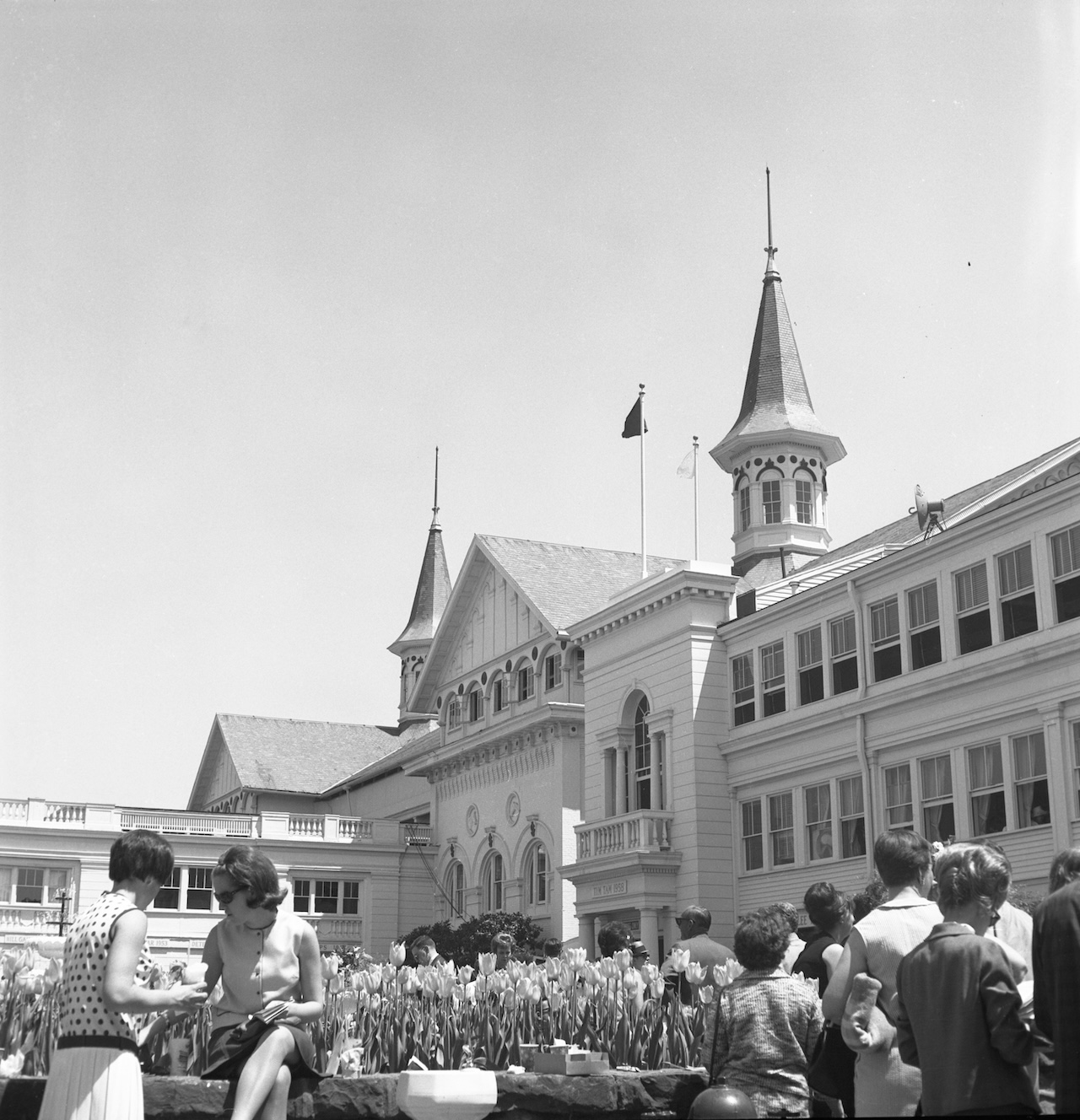
1964 Kentucky Derby at Churchill Downs. (Photo courtesy of the Kentucky Derby Museum)
Northern Dancer got the better of Roman Brother in the Flamingo Stakes and then the Florida Derby; Parke then took his gelding up to Aqueduct for the Wood Memorial, where he faced Quadrangle, Rokeby Stable’s good sophomore, who turned the trick and won the race by 2 1/4 lengths with the Harbor View gelding back in third. He then tried the one-mile Derby Trial and squared off with Hill Rise, the presumptive Derby favorite, dueling with the California colt before giving way inside the final furlong to finish second.
Four days later, Roman Brother, Hill Rise, Northern Dancer, and others entered the starting gate for the 90th Kentucky Derby. The Third Brother gelding was Parke’s first and only starter in the big race and was the first for Wolfson, who would eventually win with the aforementioned Affirmed in 1978. With Wayne Chambers in the saddle, Roman Brother settled in ninth of 12 early, moved into fourth in the stretch, and then was fourth behind Northern Dancer and Hill Rise at the wire. The Preakness was more of the same, with the Harbor View horse lingering in fifth of six throughout and not improving his position behind a winning Northern Dancer, who then went on to Belmont Park to bid for the Triple Crown while Roman Brother diverted to Garden State Park for the Jersey Derby.
The race served as a confidence boost after lackluster turns in the Derby and the Preakness. Fourth after a half-mile, jockey Fernando Alvarez moved the gelding to the lead and never looked back, winning by three lengths. When asked about the upcoming Belmont Stakes, Parke did not immediately rule it out, saying that the Jersey Derby gave them confidence that he could handle the 12 furlongs, and indeed, team Roman Brother showed up in New York for the big race. With the blessing of the recently retired “Sunny Jim” Fitzsimmons, the gelding persevered to be second, but was no threat to Quadrangle, who denied Northern Dancer, who ultimately ended up in third, a Triple Crown.
Roman Brother and Quadrangle would meet several more times in 1964, with the Rokeby star coming out on top in the Dwyer and the Lawrence Realization. Both finished behind the immortal Kelso in the two-mile Jockey Club Gold Cup.
While Northern Dancer exited the big stage for a stallion career, Roman Brother, as a gelding, returned to the spotlight for his four-year-old season in 1965, ready to step up into the handicap ranks.
Splendid Finish
The new season started out shaky, with three out-of-the-money finishes in California and then Florida. Parke gave Roman Brother four months off and then brought him back to New York, where he won a couple of allowance starts alongside top three finishes in the Brooklyn, Aqueduct, and the Michigan 1 1/8-Mile Handicaps. That led to a turn in the 10-furlong Woodward Stakes at Aqueduct.
An eye injury kept Kelso on the sidelines, which left Hill Rise and a handful of others in the field alongside the Third Brother gelding. He took the lead on the backstretch and never looked back, his margin of victory ten lengths at the wire. Next came the 1 5/8-mile Manhattan Handicap 10 days later, where he distanced himself from the field easily to win by eight. A Kelso-less Jockey Club Gold Cup was another easy win for Roman Brother, making his case for the handicap championship with his five-length victory.
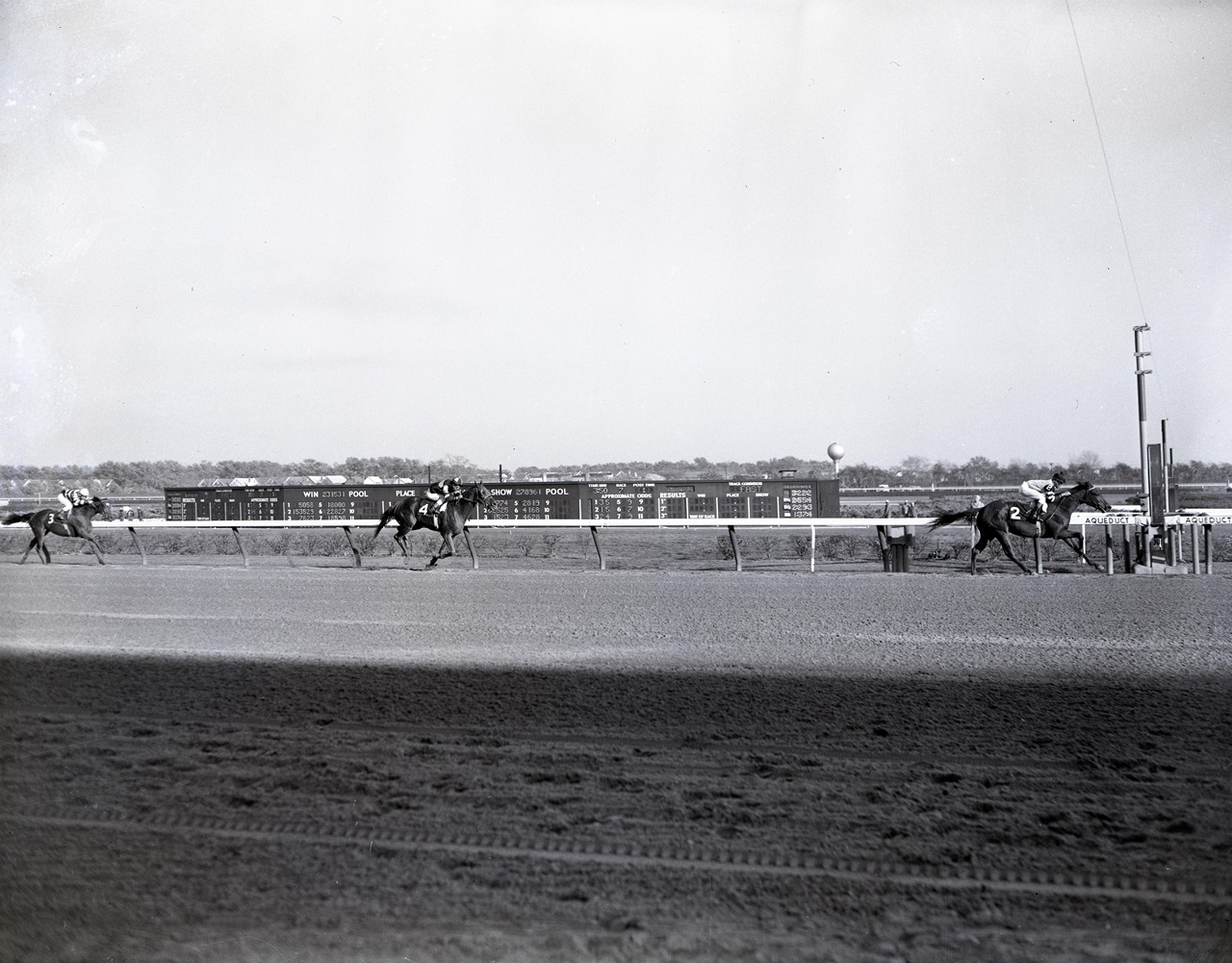
Roman Brother rolls in the 1965 Jockey Club Gold Cup (Photo by Coglianese Photos)
He ended his 1965 season with a third in the Washington D.C. International on turf at Laurel Park. His victories were enough to earn him co-Horse of the Year honors along with Moccasin, Claiborne’s two-year-old filly phenom, and champion handicap male.
Roman Brother started his five-year-old season with an allowance win before wrenching an ankle in the Seminole Handicap at Hialeah. After giving the gelding some time to recover, Parke tried to bring the Harbor View champion back to the races but was unsuccessful. Roman Brother retired to Wolfson’s Harbor View Farm until its sale in 1977; he then moved to Happy Valley Farm, where he died of colic in March 1991.
FOLLOW FOR UPDATES AND EXCLUSIVES
Missed something? Catch up on past Kentucky Derby news
Book Your Premium Experience
For Premium tickets, give us a call at 5026364447