

Kentucky Derby Lucky Losers – Damascus (1967)
Mar 31, 2026
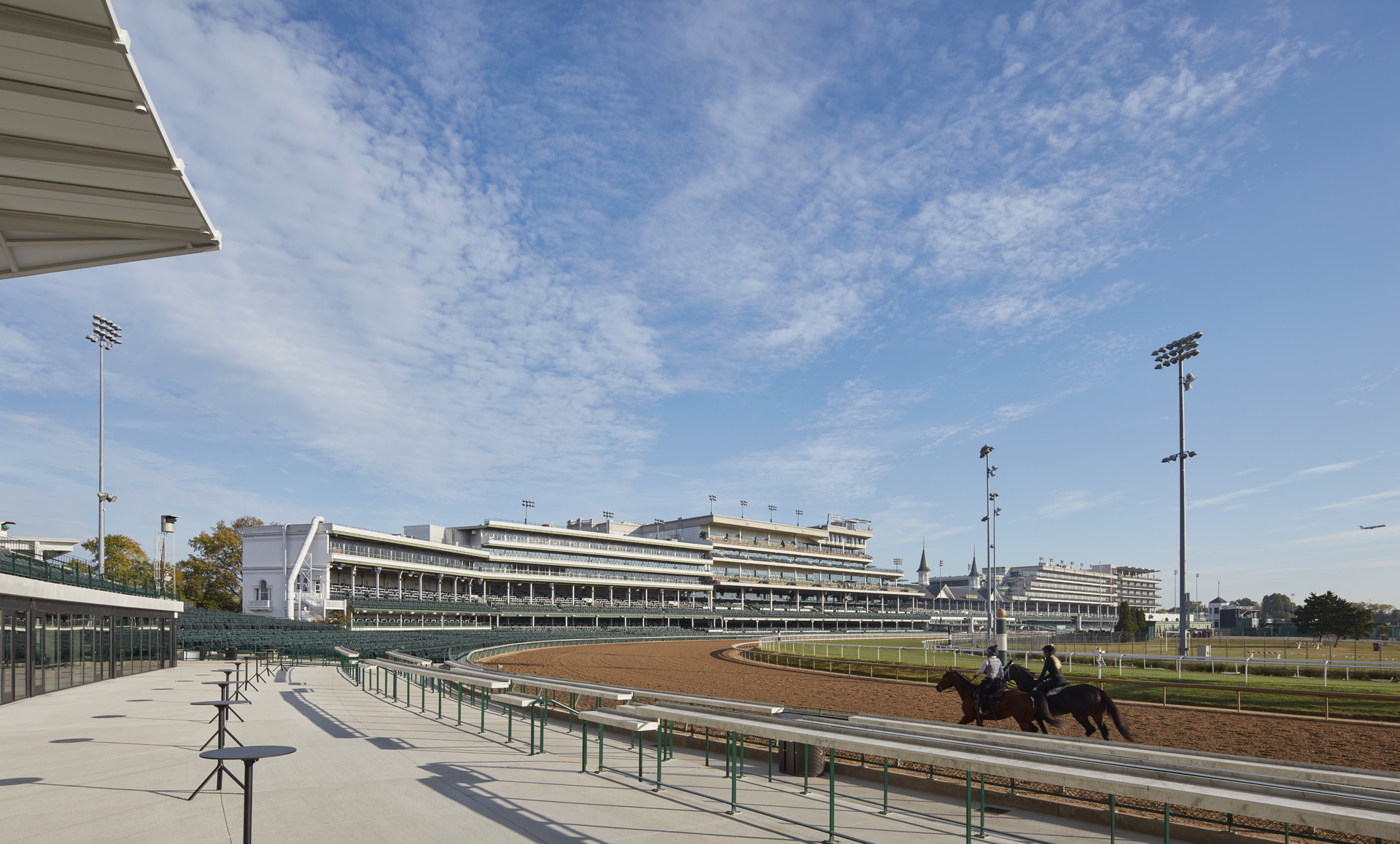
In American horse racing, the Triple Crown often serves as one metric of immortality, but for some horses, those races are only part of the story. For lucky losers like Damascus, a single afternoon of bad luck under the Twin Spires does not define his time on the track. He parlayed a losing turn in Louisville into a career that earned him a spot in the Hall of Fame. Wearing the colors of legends, Damascus turned in performances that made him head and shoulders above other greats of his era.
Classic Beginnings
The Belair Stud’s white with red polka dots had been a familiar sight in the elite winner’s circles of the 1930s, when William Woodward bred and raced horses like Triple Crown winners Gallant Fox and Omaha and Hall of Famers Granville and Johnstown. By the late 1950s, though, those heady days seemed long gone. Woodward had died in 1953, and then son William ‘Billy’ Woodward, Jr., had inherited Belair Stable and Stud, racing Nashua in the famed colors until his untimely death in 1955. When her brother passed, the eldest sister, Edith Woodward Bancroft, inherited those signature silks. Often seen at her father’s side on big race days, where she honed her love of the sport, she declined to use the Belair name for her stable but kept those colors for her horses.
She partnered with her husband, Thomas Bancroft, and her mother, Elsie, to breed and race Thoroughbreds, continuing what her father had started in the early 20th century and picking up where her brother left off. Bancroft went to Arthur “Bull” Hancock of Claiborne Farm to buy mares for their new breeding program. One of the first mares he purchased was Kerala, a daughter of Two Thousand Guineas winner My Babu and the unraced Blade of Time, for $9,600 at the 1959 Keeneland Summer Yearling Sale. Like her dam, Kerala did not race, but instead went straight to broodmare life, producing two fillies before her pairing with Sword Dancer, 1959’s Horse of the Year and winner of the Belmont Stakes as well as consecutive editions of the Woodward Stakes. On April 14, 1964, Kerala foaled a bay colt with a hind sock and a smudge of white on his forehead. Mrs. Bancroft would name him Damascus.
Damascus steel is a mixture of two steel alloys that, when forged together, create a stronger metal for blades of all kinds. As the son of Sword Dancer, the name evoked the merger between sire and dam and the potential that their colt had. The late-blooming racehorse had all of that and more, as the sport would soon see.
Winning Ways
Maryland native Frank Whiteley had his trainer’s license for nearly 30 years before he had his first champion in Tom Rolfe, 1966 Preakness winner and champion three-year-old colt. As he was preparing that colt for a Triple Crown campaign, he was also working with a two-year-old Damascus, whom he was bringing along slowly. The colt made his first start at Aqueduct in late September, finishing second in a seven-furlong maiden race with Bill Shoemaker in the saddle. Two weeks later, he broke his maiden in a similar race, again with Shoemaker, winning by eight lengths.
Whiteley started Damascus two more times in 1966, including a turn in the one-mile Remsen Stakes. He defeated a field of 13 rivals by 1 1/2 lengths, stamping him as one of the horses to watch for the 1967 Kentucky Derby. He stayed in New York for his preparations for the big race, winning the Bay Shore Stakes, finishing second in the Gotham, and then easily taking the nine-furlong Wood Memorial, making him the favorite for the Kentucky Derby. He entered the gate at 8-5, with Shoemaker again in the saddle.
The Shoe had him positioned smartly for the big race, sitting fourth for much of the 10 furlongs while 16-1 Barb’s Delight winged away on the lead. But the crowd and the band playing “My Old Kentucky Home” pre-race had unnerved the high-strung colt, leaving him a bit short on energy. In the stretch, as Proud Clarion circled the field to find running room, Damascus seemed to make his bid for the lead, but was unable to progress past third. Proud Clarion ran down Barb’s Delight in the final furlong to win by a length. Like his sire Sword Dancer, Damascus did not have good luck in the Run for the Roses, but two weeks later, at Pimlico, the colt had the chance to turn the tables on the longshot Proud Clarion.
A more relaxed Damascus moved from eighth entering the far turn to first down Pimlico’s stretch and brought home the rich prize by 2 1/4 lengths, with Proud Clarion third. The Belmont Stakes, held at Aqueduct from 1963-1967 because of Belmont Park’s reconstruction, was more of the same as Damascus had no trouble navigating the 12 furlongs with a stretch move that brought him to a 2 1/2-length victory, Proud Clarion finishing fourth. The next months of his three-year-old season were more of the same for the son of Sword Dancer.
He followed up his Belmont with a win in the Leonard Richards and then a second against older horses in the William DuPont Handicap, both at Delaware Park. Damascus then took the Dwyer, the American Derby, the Travers, and the Aqueduct Handicap, continuing his sophomore campaign of excellence leading into the Woodward Stakes, over the familiar oval at Aqueduct.
The 10-furlong Woodward, though, loomed as a test unlike any other, with four-year-old Buckpasser and three-year-old Dr. Fager, both also future Hall of Famers, set to join Damascus in the starting gate.
Legend of Legends
The field included Damascus and stablemate Hedevar, Buckpasser and stablemate Great Power, Tartan Farm’s Dr. Fager, and Handsome Boy, the longest shot in the short field. In post 1 was Hedevar, then Dr. Fager in post 2, Great Power in 3, Handsome Boy in post 4, Damascus in 5, and then Buckpasser on the outside in post 6.
By this point in the fall of 1967, Damascus was 10 of 13. He had won the Travers by 22 lengths after taking the Preakness and Belmont. Buckpasser had won two of the three Handicap Triple Crown races, the Metropolitan and Suburban Handicaps, after a 1966 season with 13 wins in 14 starts. Dr. Fager came into the Woodward with a win over Damascus in the Gotham, victories in the Withers, Arlington Classic, and the Rockingham Special. The confrontation between the three was set to be titanic.
Hedevar and Dr. Fager battled early, setting fractions of :22 2/5, :45 1/5, and 1:09 1/5. Damascus and Bill Shoemaker lingered back in fourth, with Buckpasser behind them, letting the speed burn themselves out before making their move. With a quarter of a mile to go, Damascus moved to the lead, with Hedevar and Dr. Fager in second and Buckpasser closing in third. As the field struggled behind him, Damascus built an insurmountable lead, winning by six lengths while Buckpasser passed Dr. Fager late to finish second. The victory assured the Bancroft colt Horse of the Year and champion three-year-old colt honors, even though he had two more starts to go that year.
He posted an easy win in the two-mile Jockey Club Gold Cup and then just missed by a nose to Fort Marcy in the Washington D.C. International over turf at Laurel Park. Damascus finished 1967 with 12 wins in 16 starts, and then continued his excellence at four, with wins in the Malibu and Aqueduct Stakes, the Brooklyn, San Fernando, and William Du Pont Handicaps. In his final race, the Jockey Club Gold Cup, Damascus bowed a tendon and finished last of six, the only time in his career he finished out of the money.
He retired to Claiborne Farm and stood there until he died in 1995. Mrs. Bancroft, who had developed early-onset Alzheimer’s, never got to see her colt race, but her husband Thomas and mother Elsie were on hand for the colt’s career and got to see him retire to the same farm where William Woodward had kept his breeding stock, including Gallant Fox, during Belair’s heyday. Damascus was the sire of 438 winners and 72 stakes winners from his 769 named foals. One of those was Private Account, the sire of the undefeated Personal Ensign.
Inducted into the Hall of Fame in 1974, Damascus proved to be aptly named, a horse of steel who made winning his business. A second-generation lucky loser under the Twin Spires, he picked up where his sire Sword Dancer left off, turning in a memorable sophomore campaign that earned him the sport’s highest honors. As the last classic winner to wear the white with red polka dots, he reminded the sport of the heyday of Belair Stable, the standard-bearer for a tradition of racing greatness.
FOLLOW FOR UPDATES AND EXCLUSIVES
Missed something? Catch up on past Kentucky Derby news
Book Your Premium Experience
For Premium tickets, give us a call at 5026364447
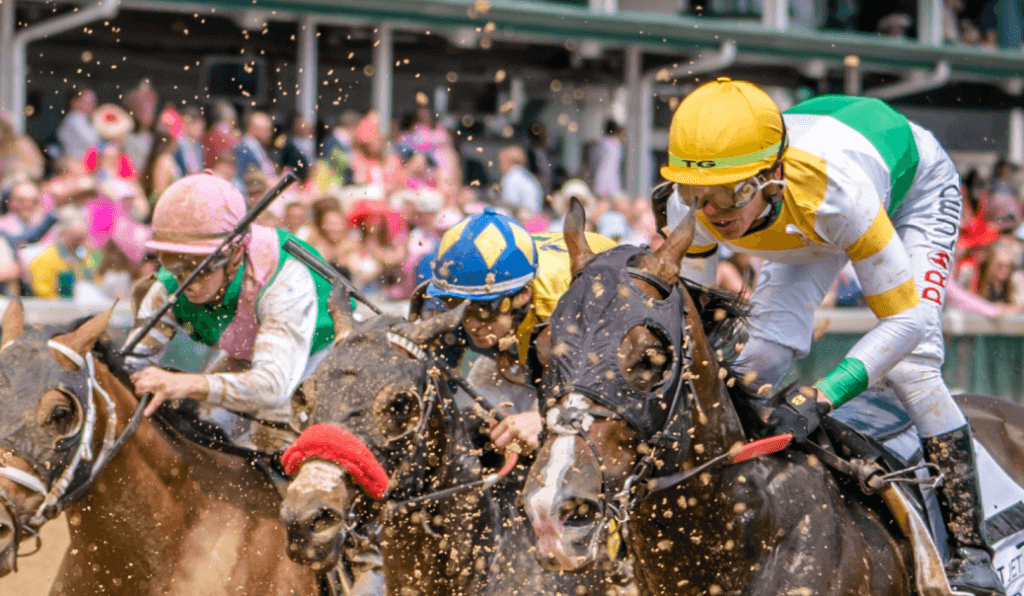
Calling All Derby Enthusiasts to Post
The Road to the 152nd Kentucky Derby is underway! Submit your email and receive newsletters for all things Kentucky Derby directly to your inbox.
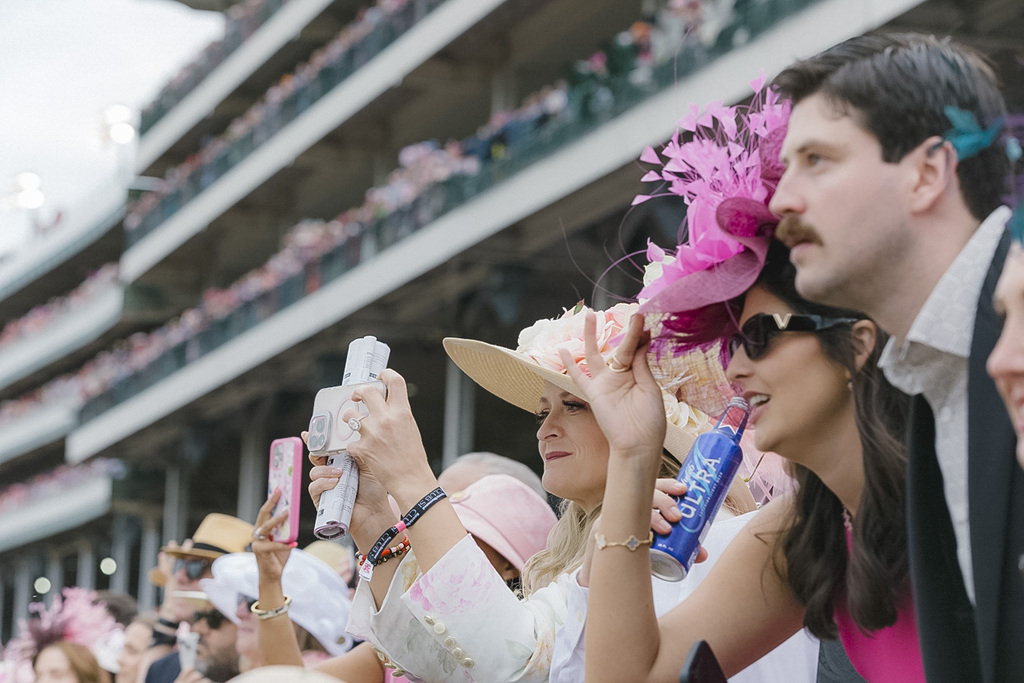
This Is Your Moment
The fashion. The roar. The roses. Only select ticket options remain for Kentucky Derby 152. Be part of the story. Buy today or connect with our sales team for premium options and personalized service.
Get in Touch with the Kentucky Derby Team
Contact us via email or phone
Email: sales@kyderby.com | Phone: (502) 636-4447
All 2-day ticket packages are currently available for purchase. By filling out this form, a member of our team will reach out to help you decide which section is best for you and help you complete your purchase